Matthew 23:9 that brings us right into the heart of how we apply Jesus’ “tough” words to our modern religious landscape.
We all refer to our human fathers as “father,” “dad,” etc., but in this case, Jesus was referring to our heavenly Father, Jehovah. In context, Jesus wasn’t banning the everyday use of the word “father” to refer to our dads or our spiritual mentors. Even the Apostle Paul, who followed Jesus’ teachings perfectly, referred to himself as a “father” in the faith to Timothy and the Corinthians (1 Corinthians 4:15). However, there is a distinct difference between a functional relationship and an official title.
Paul was describing his role—he had nurtured them, loved them and “birthed” their faith. He wasn’t asking them to stand when he entered the room and chant a title; he was describing a bond of love.
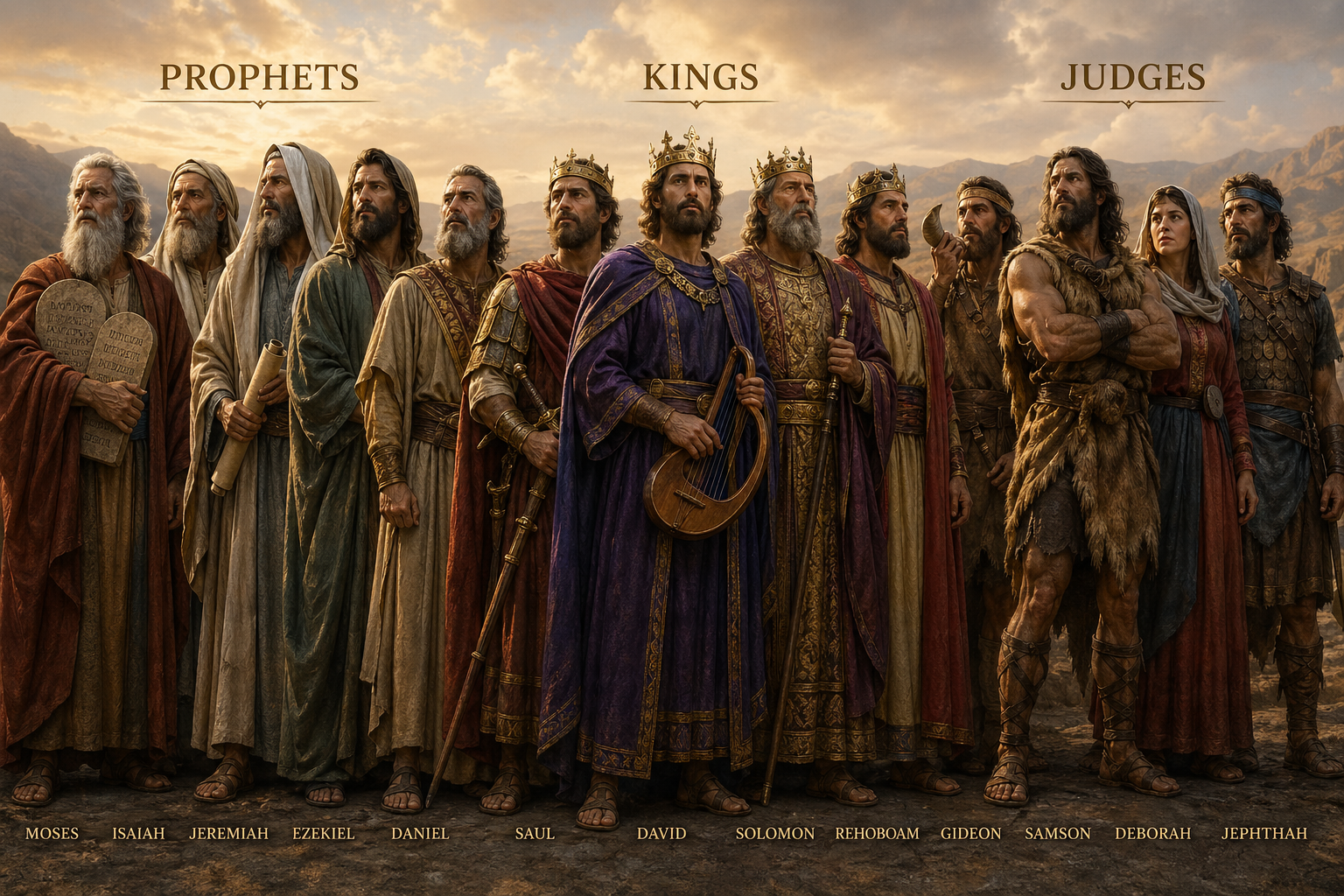
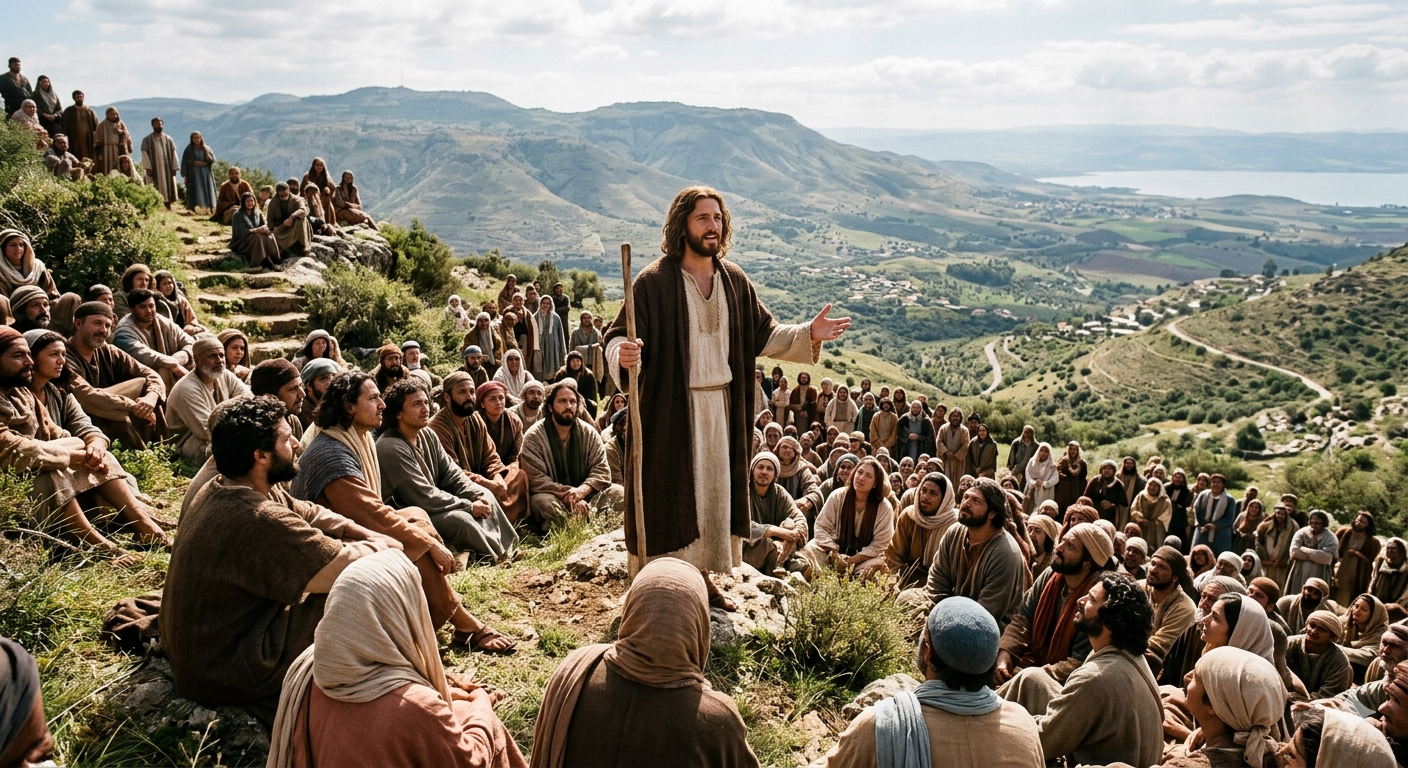
Jesus was rebuking the scribes and Pharisees for loving titles that elevated them above others, who used their religious positions to seek “salutations in the marketplaces” and the honor of men. They were using titles to put themselves on a pedestal, creating a barrier between the people and God. This gave them power over the people. Jesus was reminding his followers that no human being—no matter how wise or “holy”—is the source of life, truth or spiritual authority. That role belongs exclusively to God. Every good thing comes from the Father of Lights (James 1:17).
When it comes to the specific practice of calling priests “Father,” we have to weigh the tradition of the church against the warning Jesus gave in Matthew 23. Jesus was a “disrupter” of religious systems that elevated men.
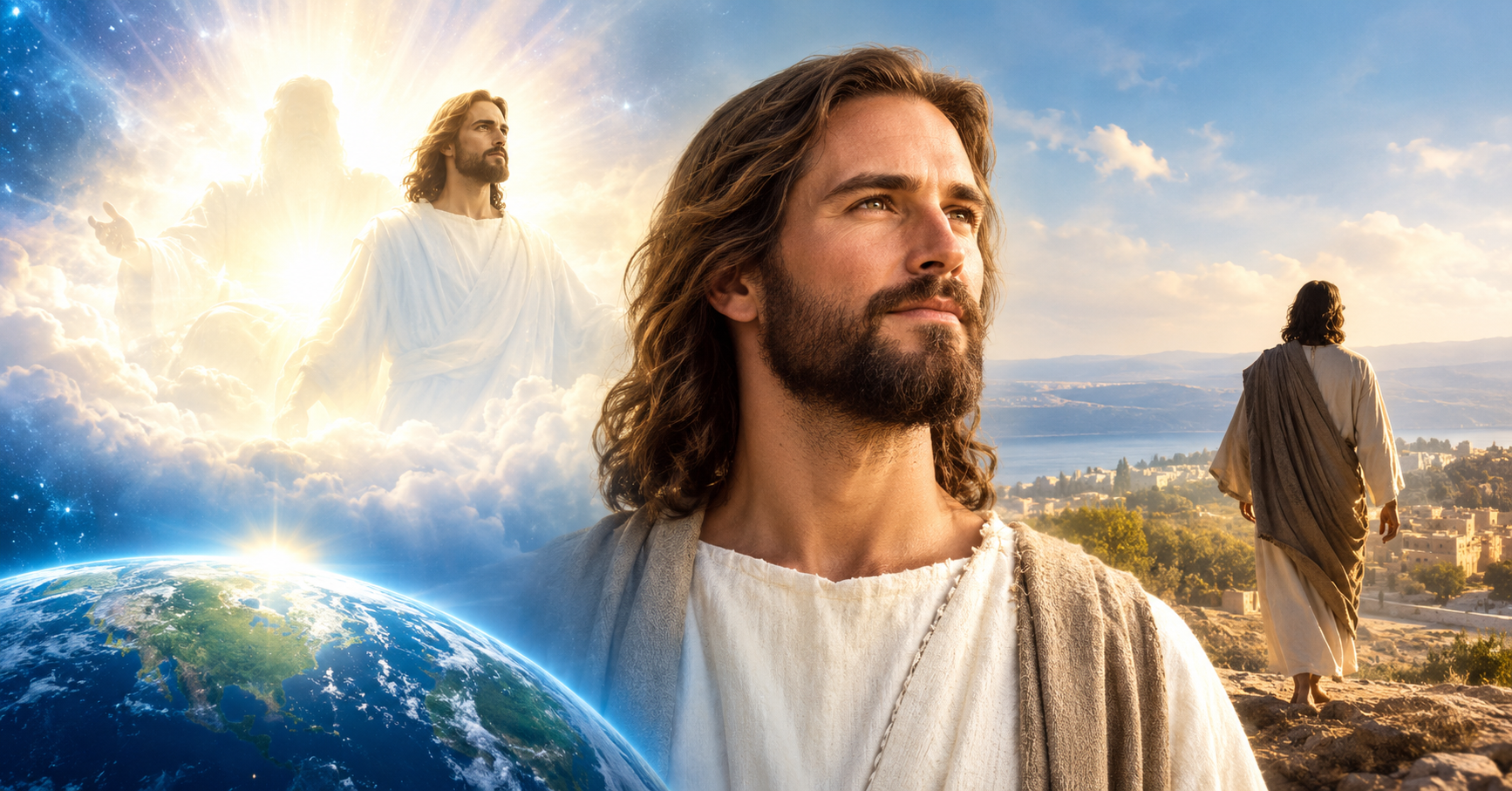
When the Catholic Church (and other traditions) began formalizing the title of “Father” for all priests in the 2nd and 3rd centuries, it created a structure that some believe mirrors what Jesus was trying to tear down. Jesus came to strip away the “traditions of men” that had clouded God’s true character. By telling the disciples not to call anyone “father” in this religious sense, Jesus was inviting them into a direct, personal relationship with God. He was saying: “You don’t need a human mediator to stand between you and the Father anymore. I am opening the way.”
The concern with using “Father” as a mandatory religious title is twofold:
1. Jesus said, “You are all brothers” (Matthew 23:8). When one person is always “Father” and everyone else is “the laity,” the “brotherhood” can feel more like a hierarchy.
2. If we feel we must go through an earthly “Father” to get to our heavenly Father, we are re-erecting the “veil” that Jesus tore at the crucifixion.
While many individual priests are humble servants who act with the heart of a father, the principle Jesus was teaching is that no human should ever be given the “ultimate” authority or reverence that belongs to God.
If calling a leader “Father” leads you to trust that leader more than you trust the Bible, or if it makes you feel “lesser” in God’s eyes than that leader, then you are hitting the very danger zone Jesus warned about. Jesus came to simplify our access to God. He wanted us to look past the “robes and tassels” and see that we each have a direct line to the one true Father in heaven.
We aren’t to seek spiritual titles of superiority, and we are not to give anyone the role that belongs to God alone. All Christians should be about humble service and not titles. The greatest among the brotherhood is the one who serves others in love. Our ultimate loyalty and spiritual identity must be rooted in God, not a human organization or leader.