July 27, 2025

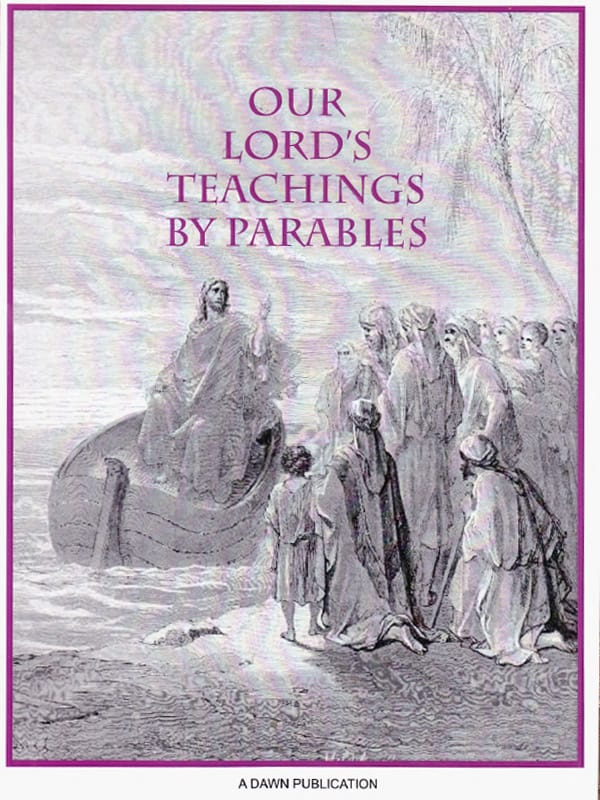
Our Lord’s Teachings by Parables


Description

Our Lord's Teachings by Parables explores the deeper spiritual meanings behind Jesus Christ's use of parables, showing that his symbolic teachings reveal divine truths intended for the faithful and spiritually discerning. The book emphasizes that understanding these parables requires spiritual maturity and sheds light on God’s redemptive plan through themes of justice, mercy, and the coming Kingdom.
printer

Print Length

164

language

Language

English

publisher

Publisher

A DAWN PUBLICATION

  • Summary
  • More Information

Our Lord's Teachings by Parables is a comprehensive exposition of the parables spoken by Jesus Christ, designed to unveil the deep spiritual truths concealed in his symbolic language. The book emphasizes that Jesus "spake not unto the people without a parable," fulfilling prophecy (Psalm 78:2; Matthew 13:34–35), and that these parables were not meant to be taken literally but as allegorical tools to reveal “things kept secret from the foundation of the world.” Understanding them requires spiritual discernment, which is given only to consecrated believers who have received the Holy Spirit.

Purpose and Interpretation of Parables

The book opens by emphasizing that Jesus used parables not to simplify his teachings for the masses, but to conceal deeper truths from those unprepared to understand them. These "dark sayings" were meant to be understood only by spiritually minded individuals, not the natural man (1 Corinthians 2:14). To take these parables literally, such as the rich man and Lazarus or the sheep and goats, leads to doctrinal errors. The parables symbolically illustrate God's redemptive plan and the coming Millennial Kingdom, where true righteousness and divine judgment will prevail.

Key Theological Themes

  • Spiritual Discernment: Only spirit-begotten Christians—those who have consecrated their lives to God—can fully grasp the deeper meanings behind the parables.

  • Dual Salvations: The book distinguishes between the salvation of the church (called out during this Gospel Age) and the future salvation of the world during the Millennial reign of Christ.

  • The Ransom and the Kingdom: Many parables, such as the treasure in the field or the pearl of great price, are interpreted as symbols of the Kingdom of God and the cost of discipleship—requiring one to give up everything to gain this spiritual reward.

Parables from the Gospels

The book is divided into numerous sections covering nearly all of Jesus’ major parables, organized primarily by the Gospel in which they appear (Matthew, Luke, Mark, and John). Each parable is presented with commentary that connects it to broader doctrinal themes, particularly the divine plan of salvation and the eventual restoration of mankind.

From Matthew’s Gospel:

  • House on the Rock vs. Sand: Illustrates the necessity of obedient faith and firm spiritual foundation.

  • Wheat and Tares: Explains the presence of true and false believers in Christendom, with a future harvest (judgment) separating them.

  • Treasure Hid in a Field / Pearl of Great Price: Represent the Kingdom of God as a treasure worth any sacrifice.

  • Fish Net: Describes the Gospel age as a time of gathering, which ends in a separation of the worthy (true saints) from the unworthy.

  • Ten Virgins and Talents: Symbolize preparedness and faithful service during Christ’s absence.

  • Sheep and Goats: Refers to the Millennial judgment, not the present age, highlighting the ultimate separation based on one's response to divine mercy.

From Luke’s Gospel:

  • Prodigal Son: A rich portrayal of God's mercy and readiness to forgive repentant sinners.

  • Good Samaritan: Encourages active love and compassion beyond cultural or religious boundaries.

  • Rich Man and Lazarus: Interpreted not as a literal afterlife story but as symbolic of dispensational shifts between Israel and the Gentiles.

  • Unjust Steward, Unjust Judge, Pharisee and Publican: Teach about stewardship, persistence in prayer, and true humility before God.

From Mark and John:

  • Sower and Mustard Seed (Mark): Describe the Kingdom’s humble beginnings and eventual global impact.

  • I Am the Bread of Life, The True Vine (John): Present Jesus as the life-giving source and the vital connection between him and his followers.

Doctrinal Emphases and Final Insights

  • Parables Teach Consecration and Sacrifice: Jesus’ followers must willingly give up worldly aims to gain spiritual treasures. The merchant who sold all to buy the pearl and the man who bought the field with hidden treasure are models of such commitment.

  • Divine Justice and Mercy in Judgment: Parables like the sheep and goats, the rich man and Lazarus, and the talents reflect God's fair judgment and the distinction between true-hearted believers and the self-serving.

  • The Future Millennial Kingdom: Many parables are tied to the idea that Christ’s second coming will inaugurate a reign of righteousness on earth. This Kingdom will complete God’s plan to restore mankind, and the parables foreshadow that process.

Conclusion:

Our Lord's Teachings by Parables presents a spiritually mature and deeply symbolic reading of Christ’s parables. It argues that Jesus’ teachings must be interpreted with the aid of the Holy Spirit and that they outline both the individual path to discipleship and the grand arc of God’s redemptive plan for humanity. The book rejects literal and superficial readings in favor of a prophetic and allegorical approach, affirming the hope of the coming Kingdom where God’s will shall be done on earth as in heaven.