
“The fiftieth year shall be a jubilee for you . . . [it] is to be holy for you.” Leviticus 25:11, 12
The Jewish nation was to keep a Sabbath every seven years when they would let the land rest for a full year (Leviticus 25:1-7). Every fiftieth year was a jubilee year. During this jubilee year these rules were to be followed:
- Slaves were set free—liberty was proclaimed for all the Israelites who were in bondage to any of their countrymen.
- All debts were canceled—the land and other possessions were to be returned to those who had been compelled to sell them because of poverty.
- The land was to rest—no sowing, no reaping, no pruning of vineyards. Spontaneous or natural growth was to be left for the poor and the traveler. Leviticus 25:8-16
The Israelites, like many people, were selfish. They did not want to lose money on land they had acquired during the forty- nine years. So they only kept the jubilees halfheartedly, and eventually they did not keep them at all.
When Nebuchadnezzar, king of Babylon, took King Zedekiah and his people captive to Babylon, this conquering monarch destroyed Jerusalem and destroyed the temple with fire. The city lay desolate for seventy years. The city’s desolation was God’s punishment upon the Israelites for not properly keeping their jubilee years.
The Israelites did not understand how important it was to keep the jubilees; they did not know it was a picture of a grander time to come in God’s plan.
The number seven is closely connected with all God’s works and plans. It pictures perfection—and God will eventually have everything perfect. This will be after the times of restitution, which is when all mankind will come back in the resurrection and learn to live in accordance with God’s laws in the Millennial age (Isaiah 26:9; 35). How wonderful to think of a perfect earth filled with perfect people! This was God’s plan from the beginning.
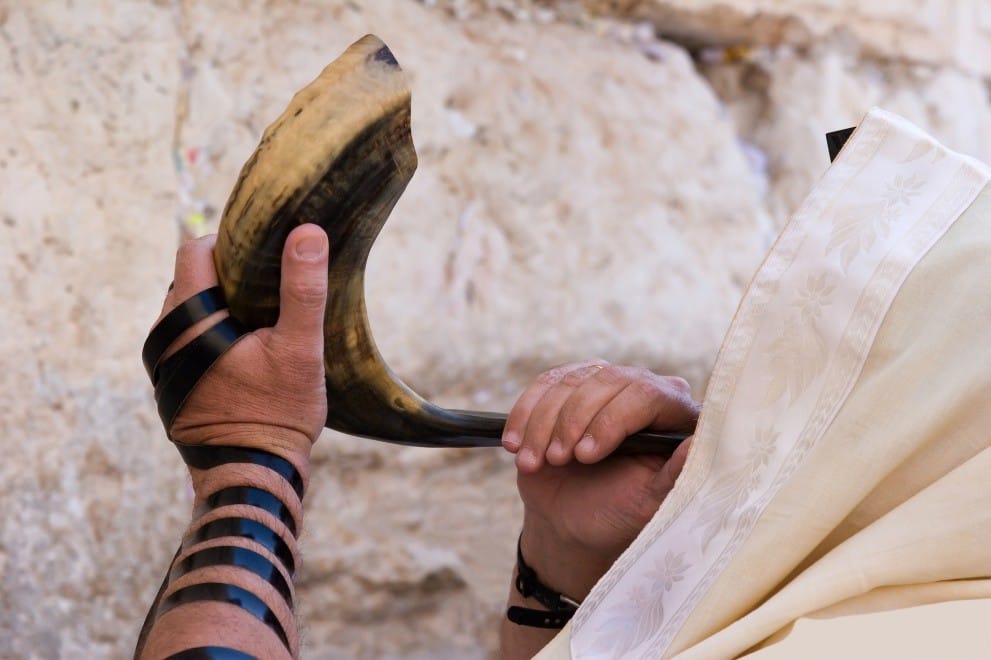 Every fiftieth year was a jubilee year.