
Thus far we see three separate and distinct conditions portrayed by three different locations in the Tabernacle layout. These conditions beautifully portray the path of the Christian. This point is one of the most important lessons of the Tabernacle, showing clearly—by way of types and shadows—the pathway that is before every Christian.
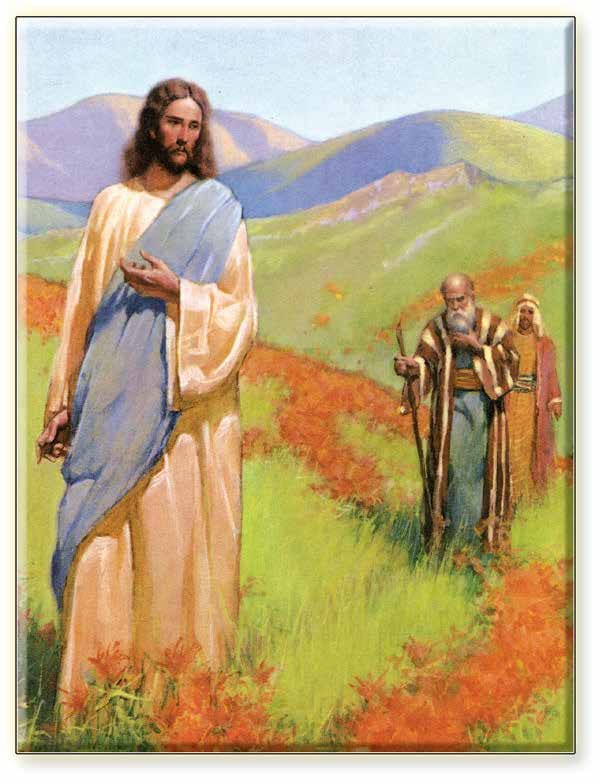
Jesus speaks of this pathway, and of these three conditions: “I am the way, the truth, and the life: no man cometh unto the Father, but by me.” He goes further with these words: “No man can come to me, except the Father which hath sent me draw him.” (John 14:6, 6:44) Thus, Jesus is the only means of entering upon this pathway which leads to the presence of God.
The Apostle Paul connects this thought of the Christian’s path with Tabernacle symbolism in these words: “Every High Priest taken from among men is ordained… And no man taketh this honour unto himself, but he that is called of God, as was Aaron.” (Hebrews 5:1-4) In essence, this is stating that we come to God through Jesus Christ, by being drawn of the Father, by being called of God. We are called to be partakers of the heavenly calling; to be members of that same priestly profession with our Lord Jesus. We thereafter enter into the service of God pictured in the Tabernacle. “Both he that sanctifieth and they who are sanctified are all of one: for which cause he is not ashamed to call them brethren… holy brethren, partakers of the heavenly calling, consider the Apostle and High Priest of our profession, Christ Jesus.” Hebrews 2:11; 3:1
 To begin, then, no one can enter into the Court condition, except by a faith in and recognition of the sacrifice of Jesus. This first step in the path is called “the way.” Our drawing to God begins with this recognition of Jesus’ death on our behalf.
But the journey does not end there. We must go on even further if we are to walk in the footsteps of Jesus. We must become members of that same profession—sacrificing priests—doing service in the Holy condition, the condition of light and truth.
But no one can enter into the Holy condition, except by a full surrender of their will, to do the will of God, even as Jesus their forerunner. Once again, the words of the Apostle Paul connect this to the Tabernacle picture in Hebrews 10:7-9: “Lo, I come to do thy will O God…”
This surrender of the will and living a life of sacrifice is shown in two ways in the Tabernacle arrangement. First, it was shown by the consecration of the Priesthood. (Leviticus Chapter 8) The word consecration means setting apart for holy service. All the priests had to be consecrated—set apart or fully devoted to the service of God.
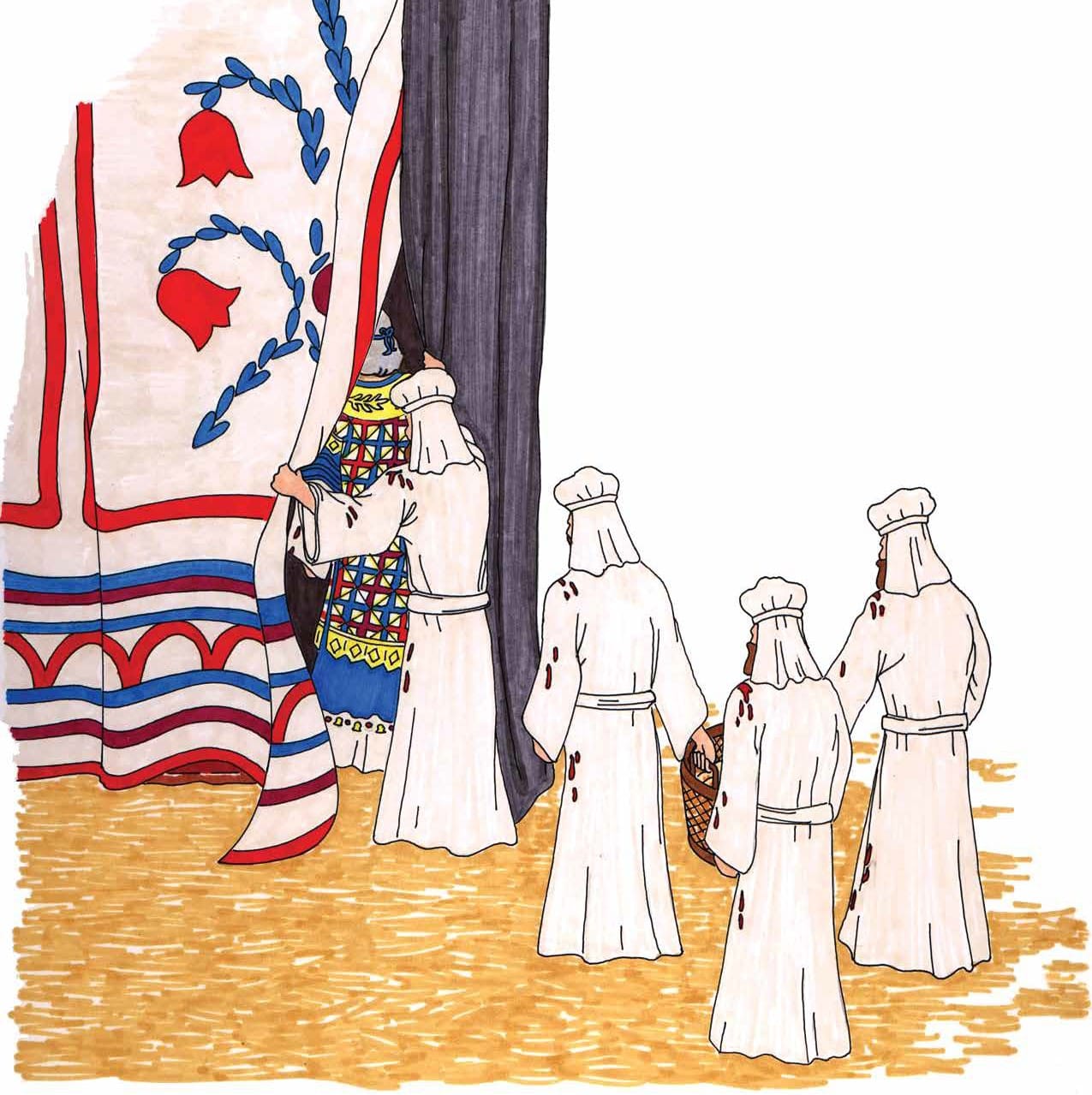
This setting apart for holy service is also true in the reality—the anti-type. All those who would enter into the service of God must follow in the footsteps of Jesus and fully devote themselves to the service of God. During the present time, this is only accomplished through a covenant by sacrifice. As the Aaronic priesthood was a sacrificing priesthood, so we must sacrifice our justified life in order to enter into the service of God.
Secondly, as delineated in Leviticus 16, this surrender of the will and living a life of sacrifice was shown in the sacrifice of the animals on the Day of Atonement. Paul states in Hebrews 13:11-13 that one of these animals (the bullock) represents Jesus, and the other (the Lord’s goat) represents his followers. “For the bodies of those beasts, whose blood is brought into the sanctuary by the high priest for sin, are burned without [outside of] the Camp. Wherefore Jesus also, that he might sanctify the people with his own blood, suffered without the gate. Let us go forth therefore unto him without the Camp, bearing his reproach.” The presenting of these animals, therefore, represents sharing in the sufferings of Christ.
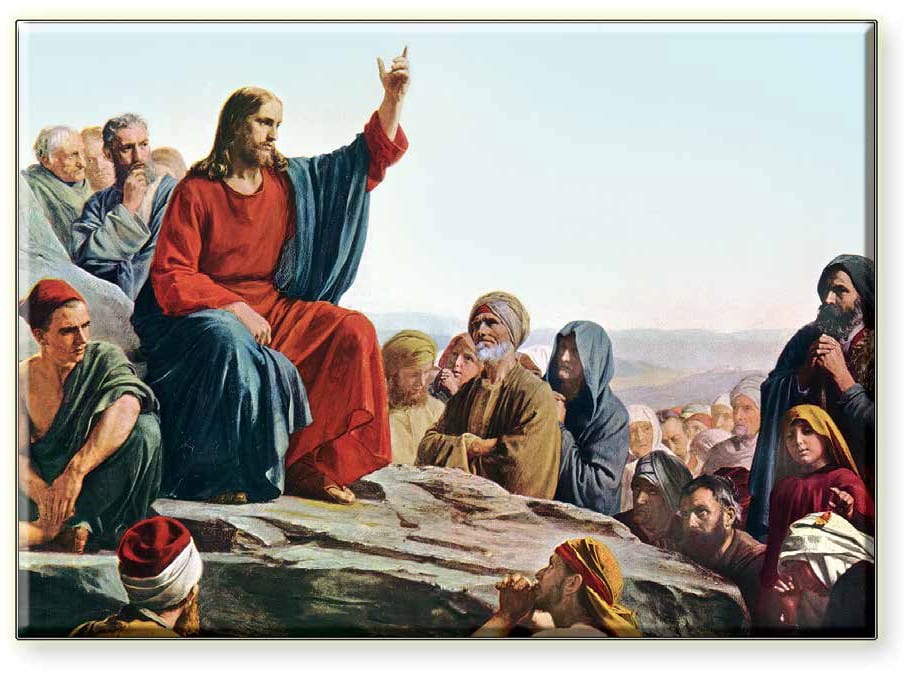
The Revelation of Jesus to John ensures that those who are faithful in their covenant by sacrifice, even unto death, will receive the crown of life at the end of their Christian journey. “Be thou faithful unto death and I will give thee a crown of life.” (Revelation 2:10) And the Apostle Paul confirms this promise in 2 Timothy 2:11, 12: “For if we be dead with him, we shall also live with him; If we suffer, we shall also reign with him…” For all such, Jesus is the way, the truth, and the life.