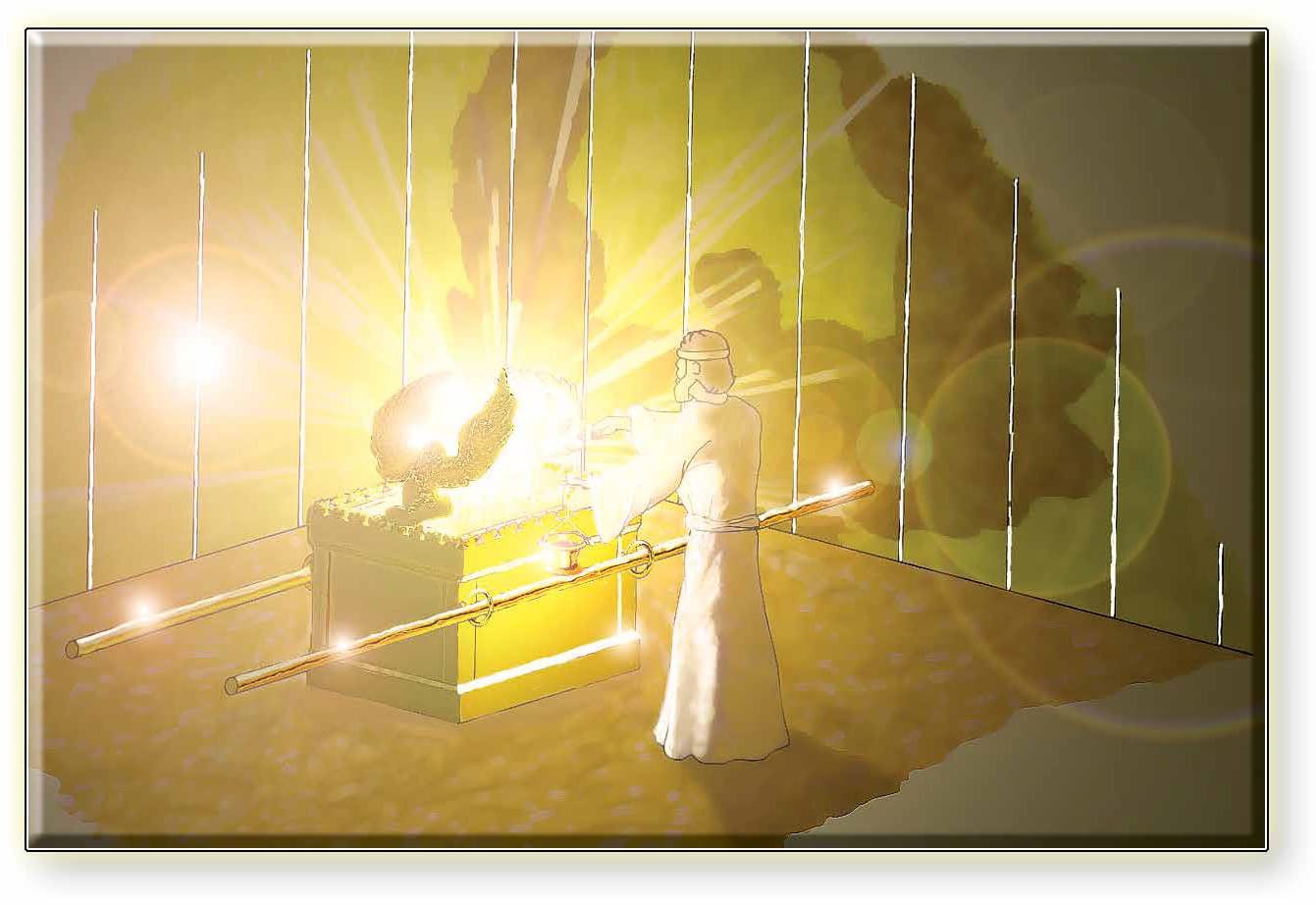
The furnishings of the Tabernacle emphasize and corroborate the foregoing lessons most beautifully. The size, construction and materials of each piece point out specific attributes of nature and character in a Christian’s life.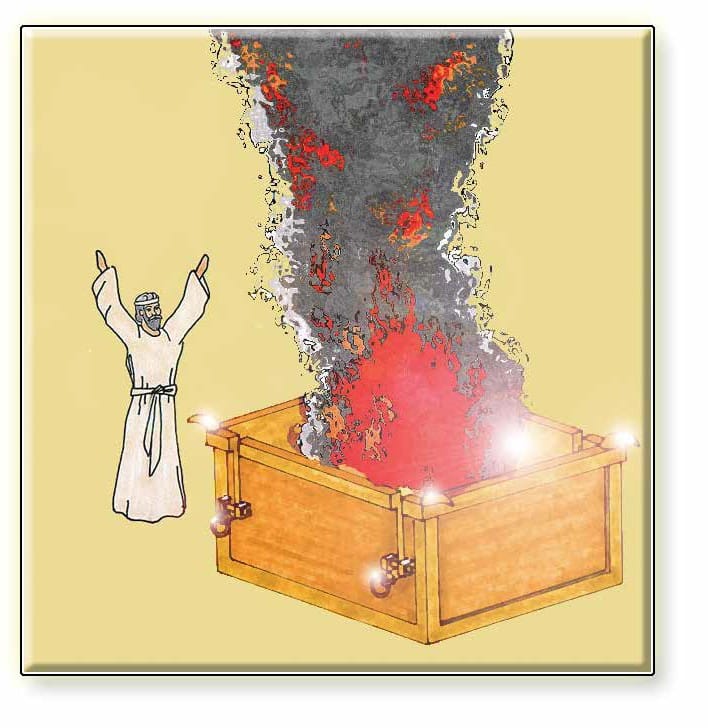
The first object seen by anyone entering the Court is the Brazen Altar upon which the bullock and the Lord’s goat were sacrificed. This forcefully depicts the sacrifice of Jesus and his followers.
This Brazen Altar denotes two important aspects of believing in Jesus. It is one thing to accept Jesus as our savior—it is yet another to walk in his footsteps. “For unto you it is given in the behalf of Christ, not only to believe on him, but also to suffer for his sake…” Philippians 1:29
These two aspects of what is first seen in the Court identify two classes of believers. Those in the Court condition may all have an appreciation for Jesus’ sacrifice, but they are not all sacrificing priests, permitted to enter into the Holy. (Numbers 4:19, 20) Only the High Priest and the under- priests were permitted to continue on past the Court.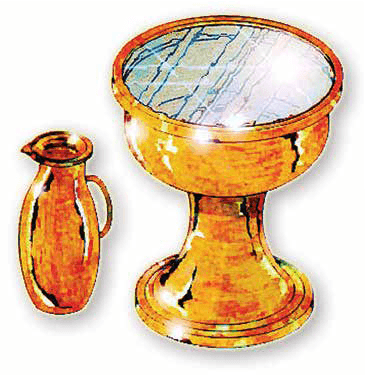
To make progress from the Court condition to the Holy of the Tabernacle as either the High Priest or an underpriest, it was necessary to wash with water at the copper Laver. Thus pictured in the type is the cleansing of our hearts and lives of sin—“by the washing of water by the Word.” Ephesians 5:26
These three steps—the recognition of Jesus as a sacrifice for our sins, the willingness to participate in that sacrifice and the washing by the water of the Word of God—are essential to the followers of Christ. They now have been justified by faith in him and have something to offer in sacrifice. “I beseech you therefore, brethren, by the mercies of God, that ye present your bodies a living sacrifice, holy, acceptable unto God, which is your reasonable service.” (Romans 12:1) Only those who become sacrificing priests (symbolically) have a right to enter into the (symbolic) Holy.
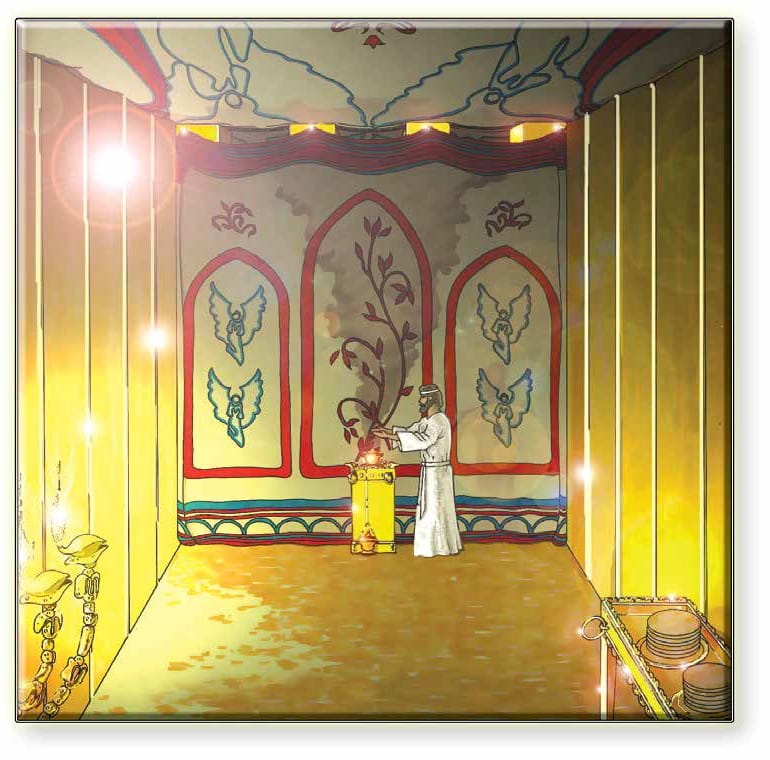
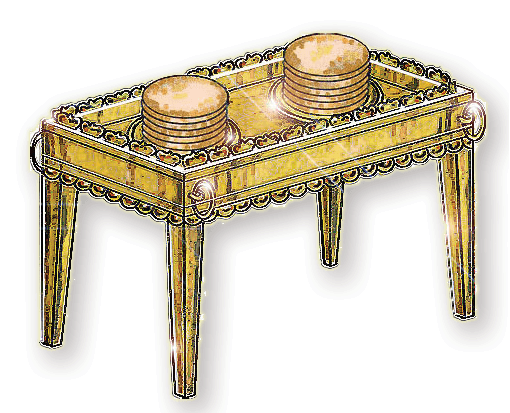
Once the priests have entered into the Holy, they have the opportunity of partaking of the table of shewbread. Symbolically, this golden table, which holds two stacks of six unleavened bread- cakes would picture the privilege that the priesthood has in partaking of the spiritual nourishment. The strength and refreshment derived from the Word of God is appreciated only by those who serve in this holy condition. Jeremiah 15:16; John 17:17
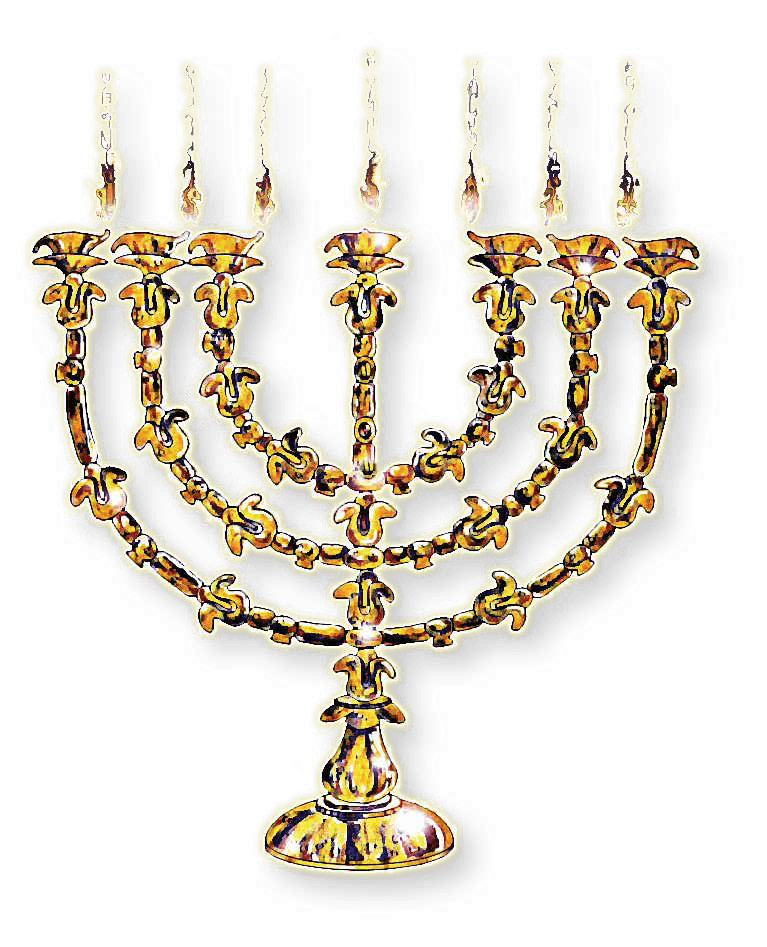 These priests also have the privilege of benefiting from the light of the golden candlestick—a further symbol of the enlightenment we receive from the Word of God through the holy Spirit. “Thy Word is a lamp unto my feet, and a light unto my path.” (Psalm 119:105) The Apostle Peter reassured Christians that “We have also a more sure word of prophecy; whereunto ye do well that ye take heed, as unto a light that shineth in a dark place…” 2 Peter 1:19
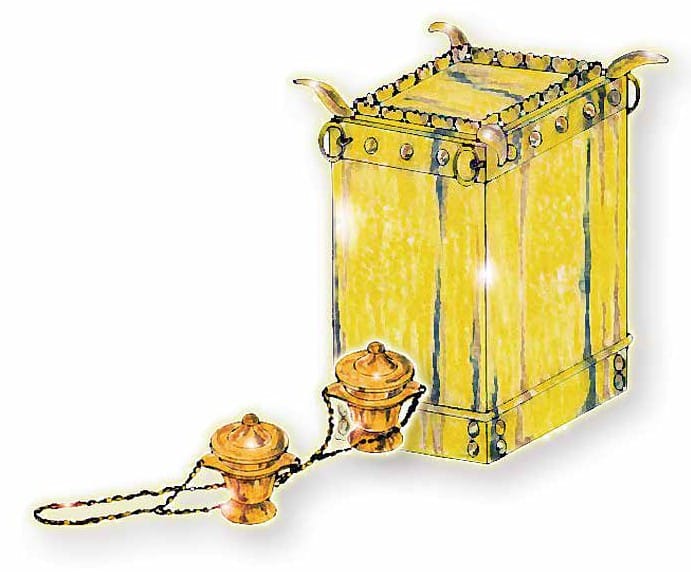
Yet one more privilege is afforded this symbolic priesthood—the footstep followers of Christ. These have the privilege of offering incense at the golden altar. This golden altar shows the privilege of sacrifice, including the heartfelt sacrifice of our lips in prayer, praise and thanksgiving to God. Hebrews 13:15; Revelation 8:3
Still a further step is illustrated in the Tabernacle. Entering into the golden room of the Most Holy represents heaven itself. Here the presence of God was shown above the Ark of the Covenant by the miraculous Shekinah glory light. “Give ear, O shepherd of Israel… thou that dwellest between the cherubims, shine forth.” Psalm 80:1; Exodus 40:34-38
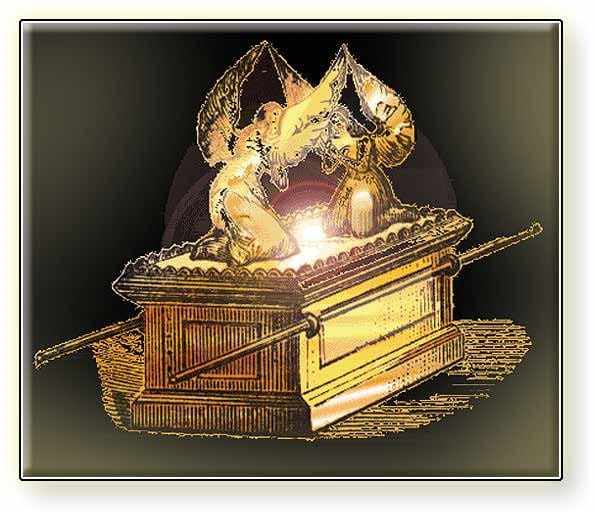
Those who finish their covenant by sacrifice—being “faithful unto death” as was Jesus—enter into the Most Holy by means of his blood. This is the resurrection of the new and living way consecrated for us by him who said, “I am the way, the truth, and the life…” Revelation 2:10; Hebrews 10:19, 20; John 14:6